Research interests
Chronic respiratory failure and noninvasive ventilation in neuromuscular disease (ALS)[2]
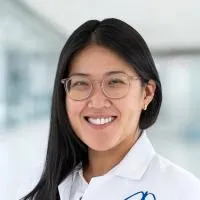
Miranda Tan is an Associate Professor of Medicine (in Neurology) at Columbia University Irving Medical Center and founding director of the Claire Tow Home Ventilation Program, which manages chronic respiratory failure and sleep-disordered breathing with noninvasive ventilation, particularly in ALS and other neuromuscular diseases; CUIMC lists her among newly arrived VP&S faculty. A DO graduate of NYIT, she trained in internal medicine at Rutgers New Jersey Medical School, served as chief resident for quality and patient safety at Dartmouth, and completed pulmonary/critical care fellowship at Thomas Jefferson and sleep medicine fellowship at Penn; she is board-certified in pulmonary disease, critical care, sleep medicine and internal medicine and a Fellow of the American College of Chest Physicians. Her publications (mostly from her prior posts at Memorial Sloan Kettering and Stanford) cover obstructive sleep apnea and fatigue in cancer patients, OSA in commercial transport operators, an ATS research statement on cancer-related fatigue, and lung-cancer care disparities. Her research now applies AI-driven digital phenotyping to respiratory decompensation, supported by a 2026 CHEST Foundation grant on early detection of respiratory decline in ALS and a 2026 Stanford Psychiatry Innovator Grant on hypoxic burden.
Each topic is linked to its supporting source in Sources.
Training includes Founding Director, Claire Tow Home Ventilation Program at Columbia University Irving Medical Center, Dartmouth College: Geisel School of Medicine, University of Pennsylvania: Perelman School of Medicine, and Thomas Jefferson University: Sidney Kimmel Medical College, plus 4 more records.
Explore education and trainingChronic respiratory failure and noninvasive ventilation in neuromuscular disease (ALS)[2]
Respiratory physiology and artificial intelligence: digital phenotyping and multimodal machine learning to predict respiratory decompensation[2]
Sleep-disordered breathing and hypoxic burden, including in cancer patients[2]