Graduate education
University of Oxford (Doctor of Philosophy)[1]
Through 2008
Assistant Professor
UT Southwestern Medical Center · Date not established · Last known relationship
Conflicting evidence. The roster card renders the doctoral credential as Ph.D., while the individual profile uses D.Phil.; the profile form is preserved here.
A physician-scientist, she combines clinical cardiology with vascular biology and immunology research on how immune activation disrupts vascular homeostasis.
Her vascular immunology laboratory studies immune mechanisms that make blood vessels vulnerable to cardiovascular and metabolic disease, including atherosclerosis, with the aim of preventing myocardial infarction, stroke, and ischemic limb loss.
Lee trained in T-cell immunology at Oxford, completed medical school in the Harvard-MIT physician-scientist program, and trained in surgery, internal medicine, cardiology, vascular biology, and cellular metabolism at Brigham and Women's Hospital and Harvard.
atherosclerosis · cellular metabolism · immune activation · myocardial infarction prevention · stroke prevention · T-cell immunology · vascular homeostasis · vascular immunology
Reviewed sources document Graduate education: University of Oxford (Doctor of Philosophy), Medical school: Harvard Medical School, Residency: Brigham and Women's Hospital (General Surgery), and Residency: Brigham and Women's Hospital (Internal Medicine), plus 2 more training records.
Explore education and trainingReviewed sources document atherosclerosis, cellular metabolism, immune activation, and myocardial infarction prevention, plus 4 more research items. Explore attributed publications and research affiliations.
Explore researchDated relationships supported by published source records. Inferred dates are labeled.
Date not established
UT Southwestern Medical Center
UT Southwestern Division of Cardiology faculty directoryUniversity of Oxford (Doctor of Philosophy)[1]
Through 2008
Harvard Medical School[1]
Through 2012
Brigham and Women's Hospital (General Surgery)[1]
Through 2014
Brigham and Women's Hospital (Internal Medicine)[1]
Through 2016
Brigham and Women's Hospital (Cardiology)[1]
Through 2020
Assistant Professor[2]
Brigham and Women's Hospital (General Surgery)[1]
Through 2013
atherosclerosis[1]
cellular metabolism[1]
immune activation[1]
myocardial infarction prevention[1]
stroke prevention[1]
T-cell immunology[1]
vascular homeostasis[1]
vascular immunology[1]
Sources are listed once and connected to each accepted claim they support. Excerpts preserve the source language used in the review.
19 source claims · Reviewed Sep 7, 2026
Biographical context: A physician-scientist, she combines clinical cardiology with vascular biology and immunology research on how immune activation disrupts vascular homeostasis.
Biography Laurel Y. Lee, M.D., D.Phil., is an Assistant Professor in the Department of Internal Medicine at UT Southwestern Medical Center and a member of its Division of Cardiology. As a physician-scientist, she combines clinical cardiology practice with vascular biology and immunology basic science laboratory research. Dr. Lee holds bachelor's degrees in biology and neuroscience from the Massachusetts Institute of Technology, and earned her doctor of philosophy degree in T-cell immunology as a Rhodes Scholar at the University of Oxford, United Kingdom, where she identified broadly cross-reactive influenza virus-specific memory T-cells in humans and their epitopes. She completed her medical degree at Harvard Medical School through the Harvard-MIT Health Sciences and Technology physician-scientist program, where she characterized post-stroke monocyte and T-cell activation in mice. She received internal medicine residency training, cardiology fellowship training, and NIH/NHLBI T32-funded postdoctoral fellowship training in vascular biology and cellular metabolism at the Harvard Medical School and Brigham and Women’s Hospital and was subsequently recruited to join as their faculty member. Certified by the American Board of Internal Medicine in cardiovascular disease, Dr. Lee joined the UT Southwestern faculty in 2024. Dr. Lee’s vascular immunology laboratory focuses on molecular and cellular mechanisms by which immune activation perturbs vascular homeostasis and thereby make our blood vessels susceptible to various cardiovascular and metabolic pathologies, such as atherosclerosis. The ultimate goal of her scientific program is to improve our patients' vascular resilience and help prevent myocardial infarction, stroke, and ischemic limb loss. Dr. Lee’s scientific discoveries have been presented at multiple national and international scientific meetings, and she has also served as a co-chair for the vascular research program at the recent American College of Cardiology Scientific Sessions. She has received multiple awards, including the current NHLBI K08 grant, Lerner Faculty Research Award, Harvard-MIT Health Sciences and Technology Martha Grey Research Award, and the NIH student research award. She is an active member of the American Heart Association and the North America Vascular Biology Organization and serves as an early career editorial board for the American Heart Association’s Arteriosclerosis, Thrombosis, and Vascular Biology journal. Dr. Lee's interests outside of medicine include music, rowing and nature.
Biographical context: Her vascular immunology laboratory studies immune mechanisms that make blood vessels vulnerable to cardiovascular and metabolic disease, including atherosclerosis, with the aim of preventing myocardial infarction, stroke, and ischemic limb loss.
Biography Laurel Y. Lee, M.D., D.Phil., is an Assistant Professor in the Department of Internal Medicine at UT Southwestern Medical Center and a member of its Division of Cardiology. As a physician-scientist, she combines clinical cardiology practice with vascular biology and immunology basic science laboratory research. Dr. Lee holds bachelor's degrees in biology and neuroscience from the Massachusetts Institute of Technology, and earned her doctor of philosophy degree in T-cell immunology as a Rhodes Scholar at the University of Oxford, United Kingdom, where she identified broadly cross-reactive influenza virus-specific memory T-cells in humans and their epitopes. She completed her medical degree at Harvard Medical School through the Harvard-MIT Health Sciences and Technology physician-scientist program, where she characterized post-stroke monocyte and T-cell activation in mice. She received internal medicine residency training, cardiology fellowship training, and NIH/NHLBI T32-funded postdoctoral fellowship training in vascular biology and cellular metabolism at the Harvard Medical School and Brigham and Women’s Hospital and was subsequently recruited to join as their faculty member. Certified by the American Board of Internal Medicine in cardiovascular disease, Dr. Lee joined the UT Southwestern faculty in 2024. Dr. Lee’s vascular immunology laboratory focuses on molecular and cellular mechanisms by which immune activation perturbs vascular homeostasis and thereby make our blood vessels susceptible to various cardiovascular and metabolic pathologies, such as atherosclerosis. The ultimate goal of her scientific program is to improve our patients' vascular resilience and help prevent myocardial infarction, stroke, and ischemic limb loss. Dr. Lee’s scientific discoveries have been presented at multiple national and international scientific meetings, and she has also served as a co-chair for the vascular research program at the recent American College of Cardiology Scientific Sessions. She has received multiple awards, including the current NHLBI K08 grant, Lerner Faculty Research Award, Harvard-MIT Health Sciences and Technology Martha Grey Research Award, and the NIH student research award. She is an active member of the American Heart Association and the North America Vascular Biology Organization and serves as an early career editorial board for the American Heart Association’s Arteriosclerosis, Thrombosis, and Vascular Biology journal. Dr. Lee's interests outside of medicine include music, rowing and nature.
Biographical context: Lee trained in T-cell immunology at Oxford, completed medical school in the Harvard-MIT physician-scientist program, and trained in surgery, internal medicine, cardiology, vascular biology, and cellular metabolism at Brigham and Women's Hospital and Harvard.
Biography Laurel Y. Lee, M.D., D.Phil., is an Assistant Professor in the Department of Internal Medicine at UT Southwestern Medical Center and a member of its Division of Cardiology. As a physician-scientist, she combines clinical cardiology practice with vascular biology and immunology basic science laboratory research. Dr. Lee holds bachelor's degrees in biology and neuroscience from the Massachusetts Institute of Technology, and earned her doctor of philosophy degree in T-cell immunology as a Rhodes Scholar at the University of Oxford, United Kingdom, where she identified broadly cross-reactive influenza virus-specific memory T-cells in humans and their epitopes. She completed her medical degree at Harvard Medical School through the Harvard-MIT Health Sciences and Technology physician-scientist program, where she characterized post-stroke monocyte and T-cell activation in mice. She received internal medicine residency training, cardiology fellowship training, and NIH/NHLBI T32-funded postdoctoral fellowship training in vascular biology and cellular metabolism at the Harvard Medical School and Brigham and Women’s Hospital and was subsequently recruited to join as their faculty member. Certified by the American Board of Internal Medicine in cardiovascular disease, Dr. Lee joined the UT Southwestern faculty in 2024. Dr. Lee’s vascular immunology laboratory focuses on molecular and cellular mechanisms by which immune activation perturbs vascular homeostasis and thereby make our blood vessels susceptible to various cardiovascular and metabolic pathologies, such as atherosclerosis. The ultimate goal of her scientific program is to improve our patients' vascular resilience and help prevent myocardial infarction, stroke, and ischemic limb loss. Dr. Lee’s scientific discoveries have been presented at multiple national and international scientific meetings, and she has also served as a co-chair for the vascular research program at the recent American College of Cardiology Scientific Sessions. She has received multiple awards, including the current NHLBI K08 grant, Lerner Faculty Research Award, Harvard-MIT Health Sciences and Technology Martha Grey Research Award, and the NIH student research award. She is an active member of the American Heart Association and the North America Vascular Biology Organization and serves as an early career editorial board for the American Heart Association’s Arteriosclerosis, Thrombosis, and Vascular Biology journal. Dr. Lee's interests outside of medicine include music, rowing and nature.
Education record: Brigham and Women's Hospital (General Surgery)
Through 2013
Education Other University of Oxford (2008), Doctor of Philosophy Medical Education Harvard Medical School (2012) Internship Brigham and Women's Hospital (2013), General Surgery Residency Brigham and Women's Hospital (2014), General Surgery Residency Brigham and Women's Hospital (2016), Internal Medicine Fellowship Brigham and Women's Hospital (2020), Cardiology
Fellowship: Brigham and Women's Hospital (Cardiology)
Through 2020
Education Other University of Oxford (2008), Doctor of Philosophy Medical Education Harvard Medical School (2012) Internship Brigham and Women's Hospital (2013), General Surgery Residency Brigham and Women's Hospital (2014), General Surgery Residency Brigham and Women's Hospital (2016), Internal Medicine Fellowship Brigham and Women's Hospital (2020), Cardiology
Graduate education: University of Oxford (Doctor of Philosophy)
Through 2008
Education Other University of Oxford (2008), Doctor of Philosophy Medical Education Harvard Medical School (2012) Internship Brigham and Women's Hospital (2013), General Surgery Residency Brigham and Women's Hospital (2014), General Surgery Residency Brigham and Women's Hospital (2016), Internal Medicine Fellowship Brigham and Women's Hospital (2020), Cardiology
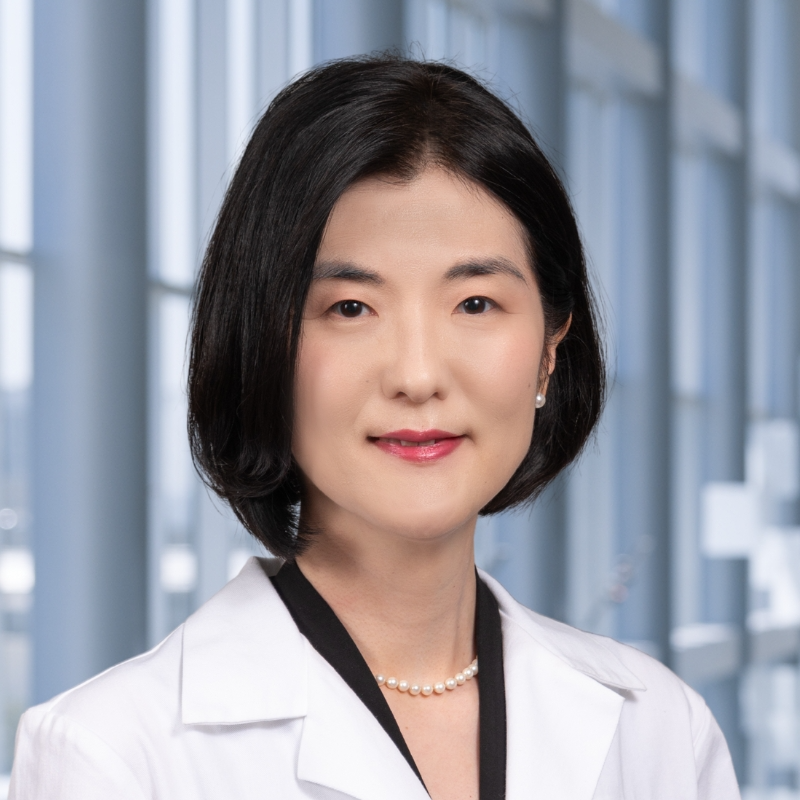
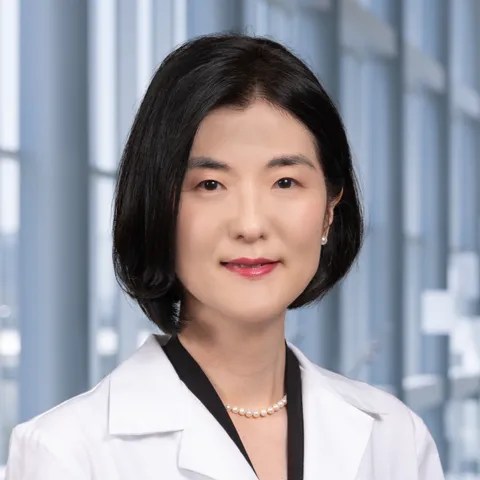
Official headshot: Portrait
<img src="https://profileplus.swmed.edu/facultydata/234047/images/lee-laural-inset.jpg" class="card__image" itemprop="image" alt="Laurel Lee, M.D., Ph.D. " style="max-width:200px;" />
Medical school: Harvard Medical School
Through 2012
Education Other University of Oxford (2008), Doctor of Philosophy Medical Education Harvard Medical School (2012) Internship Brigham and Women's Hospital (2013), General Surgery Residency Brigham and Women's Hospital (2014), General Surgery Residency Brigham and Women's Hospital (2016), Internal Medicine Fellowship Brigham and Women's Hospital (2020), Cardiology
Official profile: Official profile
Biography Laurel Y. Lee, M.D., D.Phil., is an Assistant Professor in the Department of Internal Medicine at UT Southwestern Medical Center and a member of its Division of Cardiology. As a physician-scientist, she combines clinical cardiology practice with vascular biology and immunology basic science laboratory research. Dr. Lee holds bachelor's degrees in biology and neuroscience from the Massachusetts Institute of Technology, and earned her doctor of philosophy degree in T-cell immunology as a Rhodes Scholar at the University of Oxford, United Kingdom, where she identified broadly cross-reactive influenza virus-specific memory T-cells in humans and their epitopes. She completed her medical degree at Harvard Medical School through the Harvard-MIT Health Sciences and Technology physician-scientist program, where she characterized post-stroke monocyte and T-cell activation in mice. She received internal medicine residency training, cardiology fellowship training, and NIH/NHLBI T32-funded postdoctoral fellowship training in vascular biology and cellular metabolism at the Harvard Medical School and Brigham and Women’s Hospital and was subsequently recruited to join as their faculty member. Certified by the American Board of Internal Medicine in cardiovascular disease, Dr. Lee joined the UT Southwestern faculty in 2024. Dr. Lee’s vascular immunology laboratory focuses on molecular and cellular mechanisms by which immune activation perturbs vascular homeostasis and thereby make our blood vessels susceptible to various cardiovascular and metabolic pathologies, such as atherosclerosis. The ultimate goal of her scientific program is to improve our patients' vascular resilience and help prevent myocardial infarction, stroke, and ischemic limb loss. Dr. Lee’s scientific discoveries have been presented at multiple national and international scientific meetings, and she has also served as a co-chair for the vascular research program at the recent American College of Cardiology Scientific Sessions. She has received multiple awards, including the current NHLBI K08 grant, Lerner Faculty Research Award, Harvard-MIT Health Sciences and Technology Martha Grey Research Award, and the NIH student research award. She is an active member of the American Heart Association and the North America Vascular Biology Organization and serves as an early career editorial board for the American Heart Association’s Arteriosclerosis, Thrombosis, and Vascular Biology journal. Dr. Lee's interests outside of medicine include music, rowing and nature.
Research interests: atherosclerosis
Dr. Lee’s vascular immunology laboratory focuses on molecular and cellular mechanisms by which immune activation perturbs vascular homeostasis and thereby make our blood vessels susceptible to various cardiovascular and metabolic pathologies, such as atherosclerosis. The ultimate goal of her scientific program is to improve our patients' vascular resilience and help prevent myocardial infarction, stroke, and ischemic limb loss.
Research interests: cellular metabolism
Dr. Lee holds bachelor's degrees in biology and neuroscience from the Massachusetts Institute of Technology, and earned her doctor of philosophy degree in T-cell immunology as a Rhodes Scholar at the University of Oxford, United Kingdom, where she identified broadly cross-reactive influenza virus-specific memory T-cells in humans and their epitopes. She completed her medical degree at Harvard Medical School through the Harvard-MIT Health Sciences and Technology physician-scientist program, where she characterized post-stroke monocyte and T-cell activation in mice. She received internal medicine residency training, cardiology fellowship training, and NIH/NHLBI T32-funded postdoctoral fellowship training in vascular biology and cellular metabolism at the Harvard Medical School and Brigham and Women’s Hospital and was subsequently recruited to join as their faculty member.
Research interests: immune activation
Dr. Lee’s vascular immunology laboratory focuses on molecular and cellular mechanisms by which immune activation perturbs vascular homeostasis and thereby make our blood vessels susceptible to various cardiovascular and metabolic pathologies, such as atherosclerosis. The ultimate goal of her scientific program is to improve our patients' vascular resilience and help prevent myocardial infarction, stroke, and ischemic limb loss.
Research interests: myocardial infarction prevention
Laurel Y. Lee, M.D., D.Phil., is an Assistant Professor in the Department of Internal Medicine at UT Southwestern Medical Center and a member of its Division of Cardiology. As a physician-scientist, she combines clinical cardiology practice with vascular biology and immunology basic science laboratory research.
Research interests: stroke prevention
Laurel Y. Lee, M.D., D.Phil., is an Assistant Professor in the Department of Internal Medicine at UT Southwestern Medical Center and a member of its Division of Cardiology. As a physician-scientist, she combines clinical cardiology practice with vascular biology and immunology basic science laboratory research.
Research interests: T-cell immunology
Dr. Lee holds bachelor's degrees in biology and neuroscience from the Massachusetts Institute of Technology, and earned her doctor of philosophy degree in T-cell immunology as a Rhodes Scholar at the University of Oxford, United Kingdom, where she identified broadly cross-reactive influenza virus-specific memory T-cells in humans and their epitopes. She completed her medical degree at Harvard Medical School through the Harvard-MIT Health Sciences and Technology physician-scientist program, where she characterized post-stroke monocyte and T-cell activation in mice. She received internal medicine residency training, cardiology fellowship training, and NIH/NHLBI T32-funded postdoctoral fellowship training in vascular biology and cellular metabolism at the Harvard Medical School and Brigham and Women’s Hospital and was subsequently recruited to join as their faculty member.
Research interests: vascular homeostasis
Dr. Lee’s vascular immunology laboratory focuses on molecular and cellular mechanisms by which immune activation perturbs vascular homeostasis and thereby make our blood vessels susceptible to various cardiovascular and metabolic pathologies, such as atherosclerosis. The ultimate goal of her scientific program is to improve our patients' vascular resilience and help prevent myocardial infarction, stroke, and ischemic limb loss.
Research interests: vascular immunology
Dr. Lee’s vascular immunology laboratory focuses on molecular and cellular mechanisms by which immune activation perturbs vascular homeostasis and thereby make our blood vessels susceptible to various cardiovascular and metabolic pathologies, such as atherosclerosis. The ultimate goal of her scientific program is to improve our patients' vascular resilience and help prevent myocardial infarction, stroke, and ischemic limb loss.
Residency: Brigham and Women's Hospital (General Surgery)
Through 2014
Education Other University of Oxford (2008), Doctor of Philosophy Medical Education Harvard Medical School (2012) Internship Brigham and Women's Hospital (2013), General Surgery Residency Brigham and Women's Hospital (2014), General Surgery Residency Brigham and Women's Hospital (2016), Internal Medicine Fellowship Brigham and Women's Hospital (2020), Cardiology
Residency: Brigham and Women's Hospital (Internal Medicine)
Through 2016
Education Other University of Oxford (2008), Doctor of Philosophy Medical Education Harvard Medical School (2012) Internship Brigham and Women's Hospital (2013), General Surgery Residency Brigham and Women's Hospital (2014), General Surgery Residency Brigham and Women's Hospital (2016), Internal Medicine Fellowship Brigham and Women's Hospital (2020), Cardiology
1 source claim · Reviewed Sep 7, 2026
Professional role: Assistant Professor
Laurel Y. Lee, M.D., Ph.D. Assistant Professor