Graduate education
University of Iowa (Graduate school; biography identifies a Ph.D. in cell and developmental biology)[1]
Through 2020
Assistant Professor
UT Southwestern Medical Center · Date not established · Last known relationship
His research spans developmental biology, molecular genetics, and cardiovascular science, with work on TBX5, CHD4, chamber-specific gene regulation, cardiac arrhythmia, and cardiomyocyte identity.
Mason Sweat studies transcriptional and epigenetic control of cardiac identity and rhythm, including atrial cardiomyocyte maintenance and molecular mechanisms of atrial fibrillation. His work connects developmental genetics, enhancer networks, multi-omics, and therapeutic strategies such as antisense oligonucleotides.
Sweat earned his doctorate in cell and developmental biology at the University of Iowa and completed postdoctoral training in William Pu's laboratory at Boston Children's Hospital and Harvard Medical School. He joined UT Southwestern in 2025.
atrial fibrillation · cardiac arrhythmia · cardiomyocyte identity · developmental genetics · enhancer networks · epigenetic regulation · multi-omics · transcriptional regulation
Reviewed sources document Graduate education: University of Iowa (Graduate school; biography identifies a Ph.D. in cell and developmental biology) and Education record: Boston Children's Hospital and Harvard Medical School (Cardiac biology in William Pu's laboratory).
Explore education and trainingReviewed sources document atrial fibrillation, cardiac arrhythmia, cardiomyocyte identity, and developmental genetics, plus 4 more research items. Explore attributed publications and research affiliations.
Explore researchDated relationships supported by published source records. Inferred dates are labeled.
Date not established
UT Southwestern Medical Center
UT Southwestern Division of Cardiology faculty directoryUniversity of Iowa (Graduate school; biography identifies a Ph.D. in cell and developmental biology)[1]
Through 2020
Assistant Professor[2]
Boston Children's Hospital and Harvard Medical School (Cardiac biology in William Pu's laboratory)[1]
atrial fibrillation[1]
cardiac arrhythmia[1]
cardiomyocyte identity[1]
developmental genetics[1]
enhancer networks[1]
epigenetic regulation[1]
multi-omics[1]
transcriptional regulation[1]
Sources are listed once and connected to each accepted claim they support. Excerpts preserve the source language used in the review.
15 source claims · Reviewed Sep 7, 2026
Biographical context: His research spans developmental biology, molecular genetics, and cardiovascular science, with work on TBX5, CHD4, chamber-specific gene regulation, cardiac arrhythmia, and cardiomyocyte identity.
Biography Download Curriculum Vitae Mason Sweat, Ph.D., is an Assistant Professor in the Department of Internal Medicine at UT Southwestern Medical Center and a member of its Division of Cardiology. Originally from Iowa City, Iowa, Dr. Sweat holds a bacheor's degree in biology (neurobiology) with a minor in chemistry from the University of Iowa, where he also earned his doctoral degree in cell and developmental biology. He then completed postdoctoral training in the lab of William Pu, M.D., at Boston Children's Hospital and Harvard Medical School, where he developed expertise in cardiac biology. He joined the UT Southwestern faculty in 2025. Dr. Sweat's research spans developmental biology, molecular genetics, and cardiovascular science, with a strong focus on transcriptional and epigenetic regulation in organogenesis and cardiac physiology. His early work explored craniofacial development, stem cell renewal, and signaling pathways such as Wnt, Hippo, and microRNA networks in ectodermal organ formation. He investigated key regulators like Sox2, Lef-1, Pitx2, and KLF4, elucidating mechanisms underlying dental morphogenesis and palatogenesis. Transitioning to cardiovascular research, Dr. Sweat has advanced understanding of cardiac identity and rhythm homeostasis, particularly through enhancer networks and transcription factors such as TBX5 and CHD4. His studies dissect chamber-specific gene regulation, atrial cardiomyocyte maintenance, and molecular determinants of atrial fibrillation, integrating multi-omics approaches and translational strategies like antisense oligonucleotide therapy. Collectively, his work bridges developmental genetics and cardiac disease, aiming to uncover therapeutic targets for structural and rhythm disorders. Dr. Sweat has authored numerous peer-reviewed publications in high-impact journals, including Nature Cardiovascular Research and Circulation. His work has been supported by multiple NIH NHLBI grant mechanisms, including an F32 postdoctoral fellowship and the K99/R00 pathway to independence research award. An active member of the American Heart Association, Dr. Sweat also contributes to the scientific community through leadership roles, including serving as Co-Chair for the Gordon Research Seminar on Cardiac Regulatory Mechanisms.
Biographical context: Mason Sweat studies transcriptional and epigenetic control of cardiac identity and rhythm, including atrial cardiomyocyte maintenance and molecular mechanisms of atrial fibrillation. His work connects developmental genetics, enhancer networks, multi-omics, and therapeutic strategies such as antisense oligonucleotides.
Biography Download Curriculum Vitae Mason Sweat, Ph.D., is an Assistant Professor in the Department of Internal Medicine at UT Southwestern Medical Center and a member of its Division of Cardiology. Originally from Iowa City, Iowa, Dr. Sweat holds a bacheor's degree in biology (neurobiology) with a minor in chemistry from the University of Iowa, where he also earned his doctoral degree in cell and developmental biology. He then completed postdoctoral training in the lab of William Pu, M.D., at Boston Children's Hospital and Harvard Medical School, where he developed expertise in cardiac biology. He joined the UT Southwestern faculty in 2025. Dr. Sweat's research spans developmental biology, molecular genetics, and cardiovascular science, with a strong focus on transcriptional and epigenetic regulation in organogenesis and cardiac physiology. His early work explored craniofacial development, stem cell renewal, and signaling pathways such as Wnt, Hippo, and microRNA networks in ectodermal organ formation. He investigated key regulators like Sox2, Lef-1, Pitx2, and KLF4, elucidating mechanisms underlying dental morphogenesis and palatogenesis. Transitioning to cardiovascular research, Dr. Sweat has advanced understanding of cardiac identity and rhythm homeostasis, particularly through enhancer networks and transcription factors such as TBX5 and CHD4. His studies dissect chamber-specific gene regulation, atrial cardiomyocyte maintenance, and molecular determinants of atrial fibrillation, integrating multi-omics approaches and translational strategies like antisense oligonucleotide therapy. Collectively, his work bridges developmental genetics and cardiac disease, aiming to uncover therapeutic targets for structural and rhythm disorders. Dr. Sweat has authored numerous peer-reviewed publications in high-impact journals, including Nature Cardiovascular Research and Circulation. His work has been supported by multiple NIH NHLBI grant mechanisms, including an F32 postdoctoral fellowship and the K99/R00 pathway to independence research award. An active member of the American Heart Association, Dr. Sweat also contributes to the scientific community through leadership roles, including serving as Co-Chair for the Gordon Research Seminar on Cardiac Regulatory Mechanisms.
Biographical context: Sweat earned his doctorate in cell and developmental biology at the University of Iowa and completed postdoctoral training in William Pu's laboratory at Boston Children's Hospital and Harvard Medical School. He joined UT Southwestern in 2025.
Biography Download Curriculum Vitae Mason Sweat, Ph.D., is an Assistant Professor in the Department of Internal Medicine at UT Southwestern Medical Center and a member of its Division of Cardiology. Originally from Iowa City, Iowa, Dr. Sweat holds a bacheor's degree in biology (neurobiology) with a minor in chemistry from the University of Iowa, where he also earned his doctoral degree in cell and developmental biology. He then completed postdoctoral training in the lab of William Pu, M.D., at Boston Children's Hospital and Harvard Medical School, where he developed expertise in cardiac biology. He joined the UT Southwestern faculty in 2025. Dr. Sweat's research spans developmental biology, molecular genetics, and cardiovascular science, with a strong focus on transcriptional and epigenetic regulation in organogenesis and cardiac physiology. His early work explored craniofacial development, stem cell renewal, and signaling pathways such as Wnt, Hippo, and microRNA networks in ectodermal organ formation. He investigated key regulators like Sox2, Lef-1, Pitx2, and KLF4, elucidating mechanisms underlying dental morphogenesis and palatogenesis. Transitioning to cardiovascular research, Dr. Sweat has advanced understanding of cardiac identity and rhythm homeostasis, particularly through enhancer networks and transcription factors such as TBX5 and CHD4. His studies dissect chamber-specific gene regulation, atrial cardiomyocyte maintenance, and molecular determinants of atrial fibrillation, integrating multi-omics approaches and translational strategies like antisense oligonucleotide therapy. Collectively, his work bridges developmental genetics and cardiac disease, aiming to uncover therapeutic targets for structural and rhythm disorders. Dr. Sweat has authored numerous peer-reviewed publications in high-impact journals, including Nature Cardiovascular Research and Circulation. His work has been supported by multiple NIH NHLBI grant mechanisms, including an F32 postdoctoral fellowship and the K99/R00 pathway to independence research award. An active member of the American Heart Association, Dr. Sweat also contributes to the scientific community through leadership roles, including serving as Co-Chair for the Gordon Research Seminar on Cardiac Regulatory Mechanisms.
Education record: Boston Children's Hospital and Harvard Medical School (Cardiac biology in William Pu's laboratory)
Originally from Iowa City, Iowa, Dr. Sweat holds a bacheor's degree in biology (neurobiology) with a minor in chemistry from the University of Iowa, where he also earned his doctoral degree in cell and developmental biology. He then completed postdoctoral training in the lab of William Pu, M.D., at Boston Children's Hospital and Harvard Medical School, where he developed expertise in cardiac biology.
Graduate education: University of Iowa (Graduate school; biography identifies a Ph.D. in cell and developmental biology)
Through 2020
Originally from Iowa City, Iowa, Dr. Sweat holds a bacheor's degree in biology (neurobiology) with a minor in chemistry from the University of Iowa, where he also earned his doctoral degree in cell and developmental biology. He then completed postdoctoral training in the lab of William Pu, M.D., at Boston Children's Hospital and Harvard Medical School, where he developed expertise in cardiac biology.
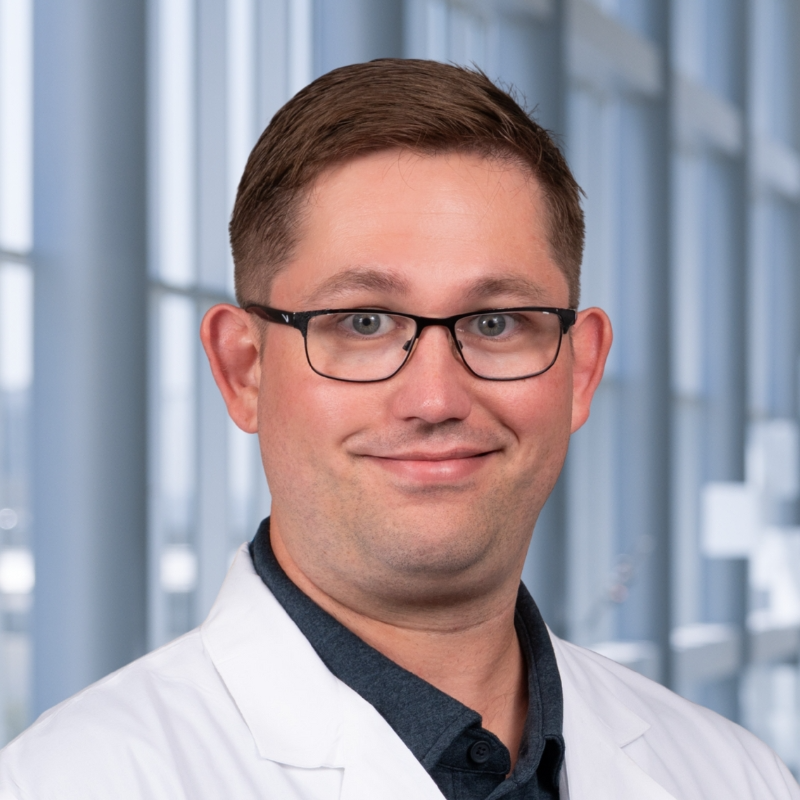
Official headshot: Portrait
<img src="https://profileplus.swmed.edu/facultydata/239801/images/sweat-mason-inset.jpg" class="card__image" itemprop="image" alt="Mason Sweat, Ph.D. " style="max-width:200px;" />
Official profile: Official profile
Biography Download Curriculum Vitae Mason Sweat, Ph.D., is an Assistant Professor in the Department of Internal Medicine at UT Southwestern Medical Center and a member of its Division of Cardiology. Originally from Iowa City, Iowa, Dr. Sweat holds a bacheor's degree in biology (neurobiology) with a minor in chemistry from the University of Iowa, where he also earned his doctoral degree in cell and developmental biology. He then completed postdoctoral training in the lab of William Pu, M.D., at Boston Children's Hospital and Harvard Medical School, where he developed expertise in cardiac biology. He joined the UT Southwestern faculty in 2025. Dr. Sweat's research spans developmental biology, molecular genetics, and cardiovascular science, with a strong focus on transcriptional and epigenetic regulation in organogenesis and cardiac physiology. His early work explored craniofacial development, stem cell renewal, and signaling pathways such as Wnt, Hippo, and microRNA networks in ectodermal organ formation. He investigated key regulators like Sox2, Lef-1, Pitx2, and KLF4, elucidating mechanisms underlying dental morphogenesis and palatogenesis. Transitioning to cardiovascular research, Dr. Sweat has advanced understanding of cardiac identity and rhythm homeostasis, particularly through enhancer networks and transcription factors such as TBX5 and CHD4. His studies dissect chamber-specific gene regulation, atrial cardiomyocyte maintenance, and molecular determinants of atrial fibrillation, integrating multi-omics approaches and translational strategies like antisense oligonucleotide therapy. Collectively, his work bridges developmental genetics and cardiac disease, aiming to uncover therapeutic targets for structural and rhythm disorders. Dr. Sweat has authored numerous peer-reviewed publications in high-impact journals, including Nature Cardiovascular Research and Circulation. His work has been supported by multiple NIH NHLBI grant mechanisms, including an F32 postdoctoral fellowship and the K99/R00 pathway to independence research award. An active member of the American Heart Association, Dr. Sweat also contributes to the scientific community through leadership roles, including serving as Co-Chair for the Gordon Research Seminar on Cardiac Regulatory Mechanisms.
Research interests: atrial fibrillation
Research Interest Atrial Fibrillation Cardiac Arrhythmia Cardiomyocyte Identity Mechanisms
Research interests: cardiac arrhythmia
Research Interest Atrial Fibrillation Cardiac Arrhythmia Cardiomyocyte Identity Mechanisms
Research interests: cardiomyocyte identity
Research Interest Atrial Fibrillation Cardiac Arrhythmia Cardiomyocyte Identity Mechanisms
Research interests: developmental genetics
Research Interest Atrial Fibrillation Cardiac Arrhythmia Cardiomyocyte Identity Mechanisms
Research interests: enhancer networks
Research Interest Atrial Fibrillation Cardiac Arrhythmia Cardiomyocyte Identity Mechanisms
Research interests: epigenetic regulation
Research Interest Atrial Fibrillation Cardiac Arrhythmia Cardiomyocyte Identity Mechanisms
Research interests: multi-omics
Research Interest Atrial Fibrillation Cardiac Arrhythmia Cardiomyocyte Identity Mechanisms
Research interests: transcriptional regulation
Research Interest Atrial Fibrillation Cardiac Arrhythmia Cardiomyocyte Identity Mechanisms
1 source claim · Reviewed Sep 7, 2026
Professional role: Assistant Professor
Mason Sweat, Ph.D. Assistant Professor