Research interests
Conducted clinical research on the genetic basis of premature ventricular complex-mediated dilated cardiomyopathy at the University of Virginia from 2016 to 2018.[11]
2016 to 2018
Completed a cardiology fellowship at Duke University. (2023-2024)
As of 2024 · Last known relationship
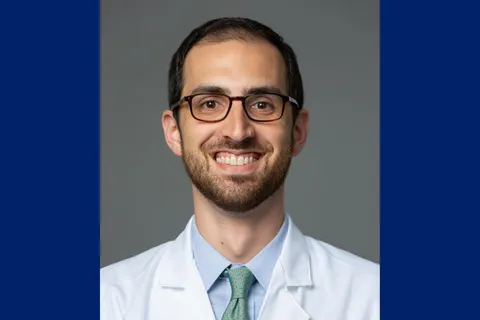
Navid Nafissi is a cardiac electrophysiologist whose clinical and research work focuses on inherited arrhythmias, ventricular arrhythmias, and sudden cardiac death. He practices in clinical cardiac electrophysiology and cardiovascular disease at Atrium Health Sanger Heart & Vascular Institute, treating rhythm disorders and performing ablations and device procedures. He received his medical degree at The University of Texas, completed internal medicine residency at the University of Virginia, and completed cardiology and electrophysiology fellowships at Duke University. His cardiovascular genetics research has been supported by a Sarnoff Cardiovascular Research Fellowship and an NIH T32 Training Grant. From 2016 to 2018, he conducted clinical research at the University of Virginia on premature ventricular complex-mediated dilated cardiomyopathy. In 2022, he presented Duke Cardiology Grand Rounds on precision medicine in arrhythmias.
Each topic is linked to its supporting source in Sources.
Training includes Listed as a Duke cardiovascular disease fellowship alumnus, with Atrium Health in Charlotte, North Carolina shown as the alumni location. (2023-2024), Completed an electrophysiology fellowship at Duke University. (2023-2024), Completed a cardiology fellowship at Duke University. (2023-2024), and Presented Cardiology Grand Rounds on precision medicine in arrhythmias, including Long QT syndrome., plus 7 more records.
Explore education and trainingAs of 2024
As of 2024
As of 2024
As of 2022
Conducted clinical research on the genetic basis of premature ventricular complex-mediated dilated cardiomyopathy at the University of Virginia from 2016 to 2018.[11]
2016 to 2018
Lead author and cardiac electrophysiology fellow on research concerning genetic causes of sudden cardiac death and arrhythmia-related genetic variants.[10]
Research focuses on inherited arrhythmias, ventricular arrhythmias, and sudden cardiac death.[8]