Research interests
Electronic health record nudges to improve quality of care in heart failure (grant-supported work, 2021–2025)[11]
2021 to 2025
Fellowship at McGaw Medical Center of Northwestern University
As of 2018 · Last known relationship
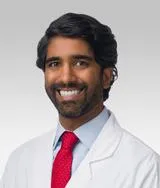
Faraz S. Ahmad is a Northwestern faculty leader working at the intersection of cardiology, clinical informatics, and artificial intelligence. He is an Assistant Professor of Medicine in Cardiology and Preventive Medicine (Biostatistics and Informatics) at Feinberg School of Medicine, and is on the medical staff at Northwestern Memorial Hospital. His clinical interests include cardiac amyloid, cardiomyopathy, congestive heart failure, heart failure with preserved ejection fraction, and ventricular assist devices. He earned his MD from the University of Chicago Pritzker School of Medicine in 2009, completed Internal Medicine residency at the University of Pennsylvania Health System from 2009 to 2012, and cardiovascular disease fellowship at McGaw Medical Center of Northwestern University from 2013 to 2016. Before medical school, he consulted on hospital EHR purchases, and during residency spent a summer at the Office of the National Coordinator for Health IT. A 2026 announcement identified him as assuming co-leadership of NUCATS Data and Informatics and as Associate Director of the Bluhm Cardiovascular Institute Center for Artificial Intelligence.
Spent a summer at the Office of the National Coordinator for Health IT during residency
Worked as a consultant helping hospitals buy electronic health record systems before medical school, in the early 2000s
Each topic is linked to its supporting source in Sources.
Training includes Fellowship at McGaw Medical Center of Northwestern University, Cardiovascular Disease fellowship at McGaw Medical Center of Northwestern University, Internal Medicine residency at University of Pennsylvania Health System, and MD, University of Chicago Pritzker School of Medicine, plus 7 more records.
Explore education and trainingAs of 2018
As of 2016
As of 2012
As of 2009
Electronic health record nudges to improve quality of care in heart failure (grant-supported work, 2021–2025)[11]
2021 to 2025
In March 2024, discussed the benefits of using artificial intelligence for cardiovascular care[12]
2024