Research interests
Basic mechanisms of various types of arrhythmias[5]
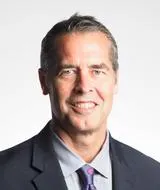
Member, Heart Rhythm Society Board
As of 2026 · Current relationship
Bradley P. Knight is a Northwestern cardiologist and cardiac electrophysiologist whose work spans atrial fibrillation treatment, arrhythmia mechanisms, imaging-guided procedures, and implantable devices. He is Professor of Medicine in Cardiology and Medical Education and the Chester C. and Deborah M. Cooley Distinguished Professor of Cardiology. His training includes a BS in Public Health/Biostatistics from UNC Chapel Hill, an MD from Ohio State, and medicine, cardiology, and cardiac electrophysiology training at the University of Michigan. He joined Michigan’s faculty in 1997 and later directed cardiac electrophysiology at the University of Chicago from 2002 to 2009. At Northwestern, he led cardiac electrophysiology and the Heart Rhythm Center from 2009 to 2026. He has coauthored over 350 scientific papers and edits major electrophysiology journals.
Cardiac Implantable Electronic Device Infection: Nationwide Trends in Extraction Utilization and In-Hospital Outcomes
ChatGPT and Artificial Intelligence in Medicine
Comparison of Two Pulsed Field Ablation Systems for Atrial Fibrillation: One-Year Outcomes From a Multicenter Registry
Completed training in Medicine, Cardiology, and Cardiac Electrophysiology at the University of Michigan
Has coauthored over 350 scientific papers
Multicenter analysis of device-detected atrial fibrillation burden reduction after antiarrhythmic drug initiation
Performance and Safety of the Extravascular Implantable Cardioverter-Defibrillator in Patients With Hypertrophic Cardiomyopathy
Succession
Each topic is linked to its supporting source in Sources.
Training includes Fellowship training at University of Michigan Health System, Resident training at University of Michigan Health System, MD, and BS in Public Health/Biostatistics at University of North Carolina in Chapel Hill, plus 1 more record.
Explore education and trainingAs of 2026
As of 2019
As of 2019
As of 2014
As of 2010
As of 2010
As of 2008
As of 2008
Basic mechanisms of various types of arrhythmias[5]
Involvement in multicenter clinical trials evaluating novel ablation tools and implantable devices[5]
Use of imaging in the electrophysiology laboratory to guide ablation procedures and device implantation[5]
As of 2005
As of 2004
As of 1997
As of 1996
As of 2026
As of 2026
As of 2019
As of 2018
As of 2009
Completed 1990