Research interests
A Patient in His 50s With Chest Tightness and Left Arm and Neck Tingling.[6]
2022
Advanced Fellow in Interventional Cardiology at Northwestern University, McGaw Medical Center
As of 2020 · Last known relationship
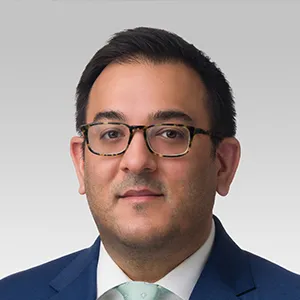
Arif Jivan is an interventional cardiologist and Northwestern faculty leader whose work spans catheter-based care, pulmonary embolism response, and multidisciplinary cardiovascular programs. He earned a BSE in Biomedical Engineering at Duke University and an MD from Northwestern Feinberg School of Medicine in 2013. He completed internal medicine residency at Northwestern’s McGaw Medical Center in 2016, followed by cardiology fellowship in 2019 and advanced interventional cardiology fellowship in 2020. He is a Clinical Assistant Professor of Medicine (Cardiology) at Feinberg and director of the Cardiac Catheterization Laboratory at Northwestern Medicine Lake Forest Hospital. He also co-directs the Pulmonary Embolism Response Team, spearheads a multidisciplinary Heart Brain Team, and is developing the Structural Heart Program. His listed scholarship includes research on oxygen exposure during coronary bypass and cardiac donation pathways.
Each topic is linked to its supporting source in Sources.
Training includes Advanced Fellow in Interventional Cardiology at Northwestern University, McGaw Medical Center, Fellow in Cardiology at Northwestern University, McGaw Medical Center, Resident in Internal Medicine at Northwestern University, McGaw Medical Center, and MD, plus 11 more records.
Explore education and trainingAs of 2025
As of 2025
As of 2025
As of 2020
As of 2019
As of 2016
Completed 2013
A Patient in His 50s With Chest Tightness and Left Arm and Neck Tingling.[6]
2022
Combined Coronary Orbital Atherectomy and Intravascular Lithotripsy for the Treatment of Severely Calcified Coronary Stenoses: The First Case Series.[6]
2022
Donation after circulatory death versus donation after brain death longitudinal follow-up.[6]
2026
Gradual Oxygen Exposure During Coronary Bypass for Acute Myocardial Infarction: A Retrospective Cohort Study[6]
2025