Medical school
Rush Medical College (Medical degree)[1]
Through 1979
Professor
UT Southwestern Medical Center · Date not established · Last known relationship
Conflicting evidence. The profile lists two Internal Medicine residency entries at Cook County Hospital, ending in 1982 and 1983, without explaining whether one represents a distinct chief year or another stage; both are preserved without inference.
Ahamed Idris is a Professor of Surgery and Internal Medicine whose clinical and research work centers on emergency medicine and cardiopulmonary resuscitation. He directs Emergency Medicine Research and the Dallas-Fort Worth Center for Resuscitation Research.
His research interests include cardiopulmonary resuscitation, CPR quality measurement, and ventilation and acid-base balance during low-flow states. His profile also describes leadership and advisory work with the American Heart Association, NIH, the U.S. Army, and NASA.
Idris practices emergency medicine at Parkland Memorial Hospital and teaches medical students and residents. As Director of Emergency Medicine Research, he supports study design, laboratory access, and grant development for trainees and faculty.
Acid-base balance in low blood-flow states · Cardiopulmonary resuscitation · Emergency medicine research · Quality measurement of CPR · Ventilation in low blood-flow states
Reviewed sources document Medical school: Rush Medical College (Medical degree), Residency: Cook County Hospital (Internal Medicine; first source-listed residency entry), and Residency: Cook County Hospital (Internal Medicine; second source-listed residency entry).
Explore education and trainingReviewed sources document Acid-base balance in low blood-flow states, Cardiopulmonary resuscitation, Emergency medicine research, and Quality measurement of CPR, plus 1 more research item. Explore attributed publications and research affiliations.
Explore researchDated relationships supported by published source records. Inferred dates are labeled.
Date not established
UT Southwestern Medical Center
UT Southwestern Division of Cardiology faculty directoryConflicting evidence. Years are source-listed endpoints or labels; no unstated training duration is inferred.
Acid-base balance in low blood-flow states[1]
Cardiopulmonary resuscitation[1]
Emergency medicine research[1]
Quality measurement of CPR[1]
Ventilation in low blood-flow states[1]
Sources are listed once and connected to each accepted claim they support. Excerpts preserve the source language used in the review.
14 source claims · Reviewed Sep 7, 2026
Biographical context: Ahamed Idris is a Professor of Surgery and Internal Medicine whose clinical and research work centers on emergency medicine and cardiopulmonary resuscitation. He directs Emergency Medicine Research and the Dallas-Fort Worth Center for Resuscitation Research.
Biography Download Curriculum Vitae Ahamed Idris began his career as a combat medic with the US Army. He was awarded the Bronze Star Medal for his service with the 1st Air Cavalry in Vietnam from 1969 to 1970. Dr. Idris has been a tenured Professor of Surgery and Internal Medicine at UTSW since 2003 and is active in the clinical practice of emergency medicine at Parkland Memorial Hospital where he attends patients and instructs medical students and residents in emergency medicine and internal medicine. He is Director of Emergency Medicine Research in the Division of Emergency Medicine; he assists medical students, fellows, and faculty with research project design and development and provides access to laboratory space and equipment. He also assists with development of grant proposals. He is the Chair of IRB 4 at UTSW. He is a Past National Chair of Basic Life Support for the American Heart Association and a member of the National Emergency Cardiovascular Care Committee. He is a consultant to the National Institutes of Health Cardiovascular Special Emphasis Panel and the PULSE group, and an inaugural Fellow of the American Heart Association’s Council on Cardiopulmonary and Critical Care and a Fellow of the American Heart Association. He is a member of the Integrated Research Team (IRT) Steering Committee for Advanced Capabilities for Combat Medics, US Army Medical Research and Materiel Command. Dr. Idris served as the Director of the NASA Human Space Flight Rescue Team for the Space Shuttle and continues to serve as a consultant. He was inducted into the NASA Space Technology Hall of Fame in 2008 for work he did that led to the impedance threshold device becoming an important medical device for treatment of astronauts suffering acute hypotension and autonomic dysfunction. It is now on-board the International Space Station. He received an American Heart Association National Outstanding service award in 2003, and he is a fellow of the American College of Emergency Physicians and a Fellow of the American Heart Association. Dr. Idris is the Director of the Dallas-Fort Worth Center for Resuscitation Research sponsored by the National Institutes of Health, the most productive organization in the North American Resuscitation Outcomes Consortium.
Biographical context: His research interests include cardiopulmonary resuscitation, CPR quality measurement, and ventilation and acid-base balance during low-flow states. His profile also describes leadership and advisory work with the American Heart Association, NIH, the U.S. Army, and NASA.
Biography Download Curriculum Vitae Ahamed Idris began his career as a combat medic with the US Army. He was awarded the Bronze Star Medal for his service with the 1st Air Cavalry in Vietnam from 1969 to 1970. Dr. Idris has been a tenured Professor of Surgery and Internal Medicine at UTSW since 2003 and is active in the clinical practice of emergency medicine at Parkland Memorial Hospital where he attends patients and instructs medical students and residents in emergency medicine and internal medicine. He is Director of Emergency Medicine Research in the Division of Emergency Medicine; he assists medical students, fellows, and faculty with research project design and development and provides access to laboratory space and equipment. He also assists with development of grant proposals. He is the Chair of IRB 4 at UTSW. He is a Past National Chair of Basic Life Support for the American Heart Association and a member of the National Emergency Cardiovascular Care Committee. He is a consultant to the National Institutes of Health Cardiovascular Special Emphasis Panel and the PULSE group, and an inaugural Fellow of the American Heart Association’s Council on Cardiopulmonary and Critical Care and a Fellow of the American Heart Association. He is a member of the Integrated Research Team (IRT) Steering Committee for Advanced Capabilities for Combat Medics, US Army Medical Research and Materiel Command. Dr. Idris served as the Director of the NASA Human Space Flight Rescue Team for the Space Shuttle and continues to serve as a consultant. He was inducted into the NASA Space Technology Hall of Fame in 2008 for work he did that led to the impedance threshold device becoming an important medical device for treatment of astronauts suffering acute hypotension and autonomic dysfunction. It is now on-board the International Space Station. He received an American Heart Association National Outstanding service award in 2003, and he is a fellow of the American College of Emergency Physicians and a Fellow of the American Heart Association. Dr. Idris is the Director of the Dallas-Fort Worth Center for Resuscitation Research sponsored by the National Institutes of Health, the most productive organization in the North American Resuscitation Outcomes Consortium.
Biographical context: Idris practices emergency medicine at Parkland Memorial Hospital and teaches medical students and residents. As Director of Emergency Medicine Research, he supports study design, laboratory access, and grant development for trainees and faculty.
Biography Download Curriculum Vitae Ahamed Idris began his career as a combat medic with the US Army. He was awarded the Bronze Star Medal for his service with the 1st Air Cavalry in Vietnam from 1969 to 1970. Dr. Idris has been a tenured Professor of Surgery and Internal Medicine at UTSW since 2003 and is active in the clinical practice of emergency medicine at Parkland Memorial Hospital where he attends patients and instructs medical students and residents in emergency medicine and internal medicine. He is Director of Emergency Medicine Research in the Division of Emergency Medicine; he assists medical students, fellows, and faculty with research project design and development and provides access to laboratory space and equipment. He also assists with development of grant proposals. He is the Chair of IRB 4 at UTSW. He is a Past National Chair of Basic Life Support for the American Heart Association and a member of the National Emergency Cardiovascular Care Committee. He is a consultant to the National Institutes of Health Cardiovascular Special Emphasis Panel and the PULSE group, and an inaugural Fellow of the American Heart Association’s Council on Cardiopulmonary and Critical Care and a Fellow of the American Heart Association. He is a member of the Integrated Research Team (IRT) Steering Committee for Advanced Capabilities for Combat Medics, US Army Medical Research and Materiel Command. Dr. Idris served as the Director of the NASA Human Space Flight Rescue Team for the Space Shuttle and continues to serve as a consultant. He was inducted into the NASA Space Technology Hall of Fame in 2008 for work he did that led to the impedance threshold device becoming an important medical device for treatment of astronauts suffering acute hypotension and autonomic dysfunction. It is now on-board the International Space Station. He received an American Heart Association National Outstanding service award in 2003, and he is a fellow of the American College of Emergency Physicians and a Fellow of the American Heart Association. Dr. Idris is the Director of the Dallas-Fort Worth Center for Resuscitation Research sponsored by the National Institutes of Health, the most productive organization in the North American Resuscitation Outcomes Consortium.
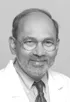
Official headshot: Portrait
<img src="https://profileplus.swmed.edu/facultydata/58880/images/Idris_Ahamed.jpg" class="card__image" itemprop="image" alt="Ahamed Idris, M.D. " style="max-width:200px;" />
Medical school: Rush Medical College (Medical degree)
Through 1979
Education Medical Education Rush Medical College (1979) Residency Cook County Hospital (1982), Internal Medicine Residency Cook County Hospital (1983), Internal Medicine
Official profile: Official profile
Biography Download Curriculum Vitae Ahamed Idris began his career as a combat medic with the US Army. He was awarded the Bronze Star Medal for his service with the 1st Air Cavalry in Vietnam from 1969 to 1970. Dr. Idris has been a tenured Professor of Surgery and Internal Medicine at UTSW since 2003 and is active in the clinical practice of emergency medicine at Parkland Memorial Hospital where he attends patients and instructs medical students and residents in emergency medicine and internal medicine. He is Director of Emergency Medicine Research in the Division of Emergency Medicine; he assists medical students, fellows, and faculty with research project design and development and provides access to laboratory space and equipment. He also assists with development of grant proposals. He is the Chair of IRB 4 at UTSW. He is a Past National Chair of Basic Life Support for the American Heart Association and a member of the National Emergency Cardiovascular Care Committee. He is a consultant to the National Institutes of Health Cardiovascular Special Emphasis Panel and the PULSE group, and an inaugural Fellow of the American Heart Association’s Council on Cardiopulmonary and Critical Care and a Fellow of the American Heart Association. He is a member of the Integrated Research Team (IRT) Steering Committee for Advanced Capabilities for Combat Medics, US Army Medical Research and Materiel Command. Dr. Idris served as the Director of the NASA Human Space Flight Rescue Team for the Space Shuttle and continues to serve as a consultant. He was inducted into the NASA Space Technology Hall of Fame in 2008 for work he did that led to the impedance threshold device becoming an important medical device for treatment of astronauts suffering acute hypotension and autonomic dysfunction. It is now on-board the International Space Station. He received an American Heart Association National Outstanding service award in 2003, and he is a fellow of the American College of Emergency Physicians and a Fellow of the American Heart Association. Dr. Idris is the Director of the Dallas-Fort Worth Center for Resuscitation Research sponsored by the National Institutes of Health, the most productive organization in the North American Resuscitation Outcomes Consortium.
Research interests: Acid-base balance in low blood-flow states
Research Interest Cardiopulmonary resuscitation Quality measurement of CPR Ventilation and acid-base balance in low blood flow states
Research interests: Cardiopulmonary resuscitation
Research Interest Cardiopulmonary resuscitation Quality measurement of CPR Ventilation and acid-base balance in low blood flow states
Research interests: Emergency medicine research
Biography Download Curriculum Vitae Ahamed Idris began his career as a combat medic with the US Army. He was awarded the Bronze Star Medal for his service with the 1st Air Cavalry in Vietnam from 1969 to 1970. Dr. Idris has been a tenured Professor of Surgery and Internal Medicine at UTSW since 2003 and is active in the clinical practice of emergency medicine at Parkland Memorial Hospital where he attends patients and instructs medical students and residents in emergency medicine and internal medicine. He is Director of Emergency Medicine Research in the Division of Emergency Medicine; he assists medical students, fellows, and faculty with research project design and development and provides access to laboratory space and equipment. He also assists with development of grant proposals. He is the Chair of IRB 4 at UTSW. He is a Past National Chair of Basic Life Support for the American Heart Association and a member of the National Emergency Cardiovascular Care Committee. He is a consultant to the National Institutes of Health Cardiovascular Special Emphasis Panel and the PULSE group, and an inaugural Fellow of the American Heart Association’s Council on Cardiopulmonary and Critical Care and a Fellow of the American Heart Association. He is a member of the Integrated Research Team (IRT) Steering Committee for Advanced Capabilities for Combat Medics, US Army Medical Research and Materiel Command. Dr. Idris served as the Director of the NASA Human Space Flight Rescue Team for the Space Shuttle and continues to serve as a consultant. He was inducted into the NASA Space Technology Hall of Fame in 2008 for work he did that led to the impedance threshold device becoming an important medical device for treatment of astronauts suffering acute hypotension and autonomic dysfunction. It is now on-board the International Space Station. He received an American Heart Association National Outstanding service award in 2003, and he is a fellow of the American College of Emergency Physicians and a Fellow of the American Heart Association. Dr. Idris is the Director of the Dallas-Fort Worth Center for Resuscitation Research sponsored by the National Institutes of Health, the most productive organization in the North American Resuscitation Outcomes Consortium.
Research interests: Quality measurement of CPR
Research Interest Cardiopulmonary resuscitation Quality measurement of CPR Ventilation and acid-base balance in low blood flow states
Research interests: Ventilation in low blood-flow states
Research Interest Cardiopulmonary resuscitation Quality measurement of CPR Ventilation and acid-base balance in low blood flow states
Residency: Cook County Hospital (Internal Medicine; first source-listed residency entry)
Through 1982
Education Medical Education Rush Medical College (1979) Residency Cook County Hospital (1982), Internal Medicine Residency Cook County Hospital (1983), Internal Medicine
Residency: Cook County Hospital (Internal Medicine; second source-listed residency entry)
Through 1983
Education Medical Education Rush Medical College (1979) Residency Cook County Hospital (1982), Internal Medicine Residency Cook County Hospital (1983), Internal Medicine
Resource: Curriculum Vitae
<a href="https://profileplus.swmed.edu/facultydata/58880/files/Idris CV 2015.pdf" target="_blank">Download Curriculum Vitae</a>
1 source claim · Reviewed Sep 7, 2026
Professional role: Professor
Ahamed Idris, M.D. Professor Emergency Medicine and Internal Medicine